Table of Contents
Introduction
Hey friend, imagine waking up in 2026, brewing your favorite coffee and sitting at your warm home office or a sunny cafe in Lisbon — earning excellent money without the stress of highway traffic or office politics. Sounds amazing, right?
It’s not a dream. The top remote careers are flourishing in 2026, providing authentic freedom, lucrative salaries, and real work-life balance. Companies now realize that the best people do their best work when they’re not sitting at a desk from 9 to 5.
If you’re a recent college graduate, or mid-career and tired of what you’ve been doing for work, or just someone who wants to travel while finding something sustainable in the future, this is your moment.” In this guide, we’ll dive into the key trends, top roles, essential skills, and actionable tips for landing your dream remote position. So, let’s jump right in and get you more of your share of the remote revolution.
Why Everyone’s Chasing the Best Remote Careers Right Now
You’ve probably sensed it — the old nine-to-five office grind no longer works. By 2026, remote work has evolved from a pandemic trial run to the favored mode for millions. Flexible arrangements have become the No. 1 job perk, rated above salary by many professionals. Eliminating commutes, inflexible schedules and pointless meetings leads to people being more energized, creative and loyal. Companies are posting thousands of fully remote roles in tech, marketing, health care support and more. The best remote careers pay better than in-office jobs and allow you to schedule your day around your life. Have you ever wished you could go to your kid’s school event without asking somebody for time off, or work in the hours when you can concentrate best? That’s precisely what these careers provide.

The Post-Pandemic Shift That’s Still Going Strong in 2026
When the world closed down, few believed remote work was here to stay. But the shift of 2026 is more intense than ever. It paid off in higher productivity, reduced turnover and access to a global talent pool. Fewer companies have made these changes than you might think: Smart companies that have embraced remote-first or hybrid models, rather than forcing everyone back into the office. Remote postings continue to grow, with particularly hot fields being anything tech related (engineering, the most) and increasingly more remote opportunities in mental health.) This is not transitory — it represents a fundamental shift in how we conceptualize work. Individuals are opting for positions that allow them to live where they desire, be with family or travel the world as digital nomads. The win-win is obvious: Workers gain autonomy, and businesses gain dedicated teams. If you thought the window was closing, 2026 is actually one of the best years to jump in.
What Makes a Career One of the Best Remote Careers in 2026?
Not every job translates well to remote work, but the best ones display clear strengths. They occupy high-demand fields where businesses jockey for talent. They are lucrative — often six figures in the world of tech. They provide real location independence, and you can work from a beach in Thailand or your quiet home. And they care about results, not logged hours, and that makes for balance and less burnout. These positions typically involve knowledge work such as coding, analyzing data or supporting clients digitally. These can turn your income and lifestyle around.
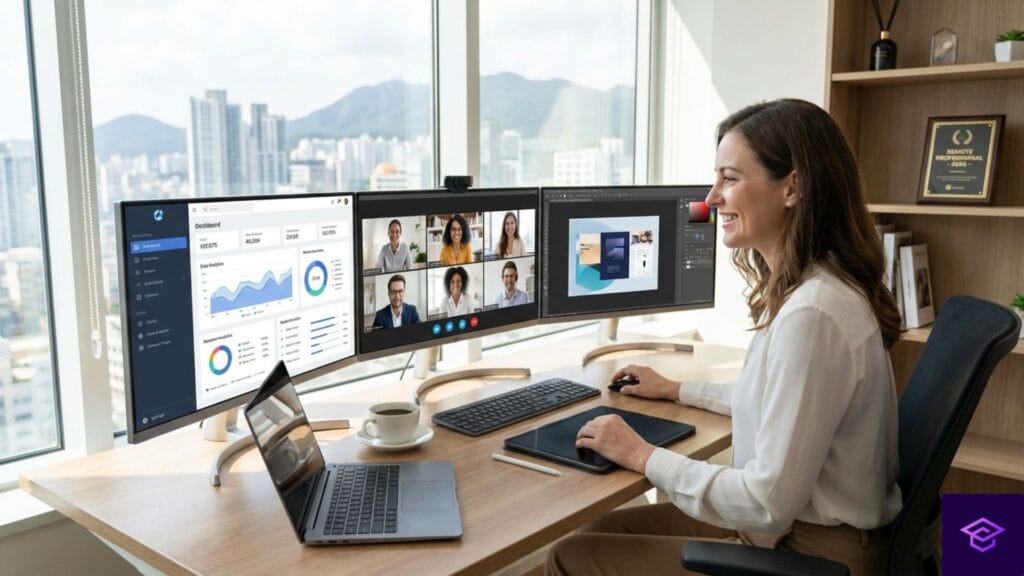
High Demand, Competitive Salaries, Location Independence, and Work-Life Harmony
Real numbers tell the story. Average (remote) software engineers make $97,000 to $138,000 — top roles go up to over $200,000. AI specialists often clear $130,000–$300,000. Easier jobs, such as social media managers or virtual assistants, start at $45,000–$60,000 and grow rapidly. Tech, cybersecurity, digital marketing and product roles are especially sizzling, with remote listings up 30–50% in many fields. Location independence means you’re not held captive by your zip code, either — you can live or travel affordably while enjoying strong salaries. Flexible schedules: Set your work to the beat of your energy, family needs, or passions. Picture finishing up early and hitting the trails. It’s not easy, but if you want to make a big bread, it requires discipline to get there and the reward is both personal and financial.
Major Trends Shaping the Best Remote Careers for 2026
In 2026, the workplace is a diamond; however, zoom back just a few years and it looks very different. There are lots of big trends driving and reshaping everybody’s best remote careers. AI is a force multiplier, not a replacement. There are companies that track output instead of hours. Global teams are the norm and work async, supported by better tools. Digital nomadism has gone mainstream. More data has gone online, and cybersecurity needs have increased. These are not passing trends — they’re reshaping what good work means. If you do so, doors that you never thought could open will definitely open.
AI and Automation: Your New Intelligent Coworkers
AI tools have evolved from basic aides to advanced co-workers that take on routine work and mine large sets of data. The best remote careers in 2026 are around guiding, honing, and ethically governing AI. It’s like your tireless intern, but you need to use your creativity in order for it to provide real value. Roles in prompt engineering, model training, and automation integration are exploding. This trend creates more jobs, not fewer. If AI freaks you out, change the frame: if you master it, then nobody’s going to be able to fire you in just about any context.
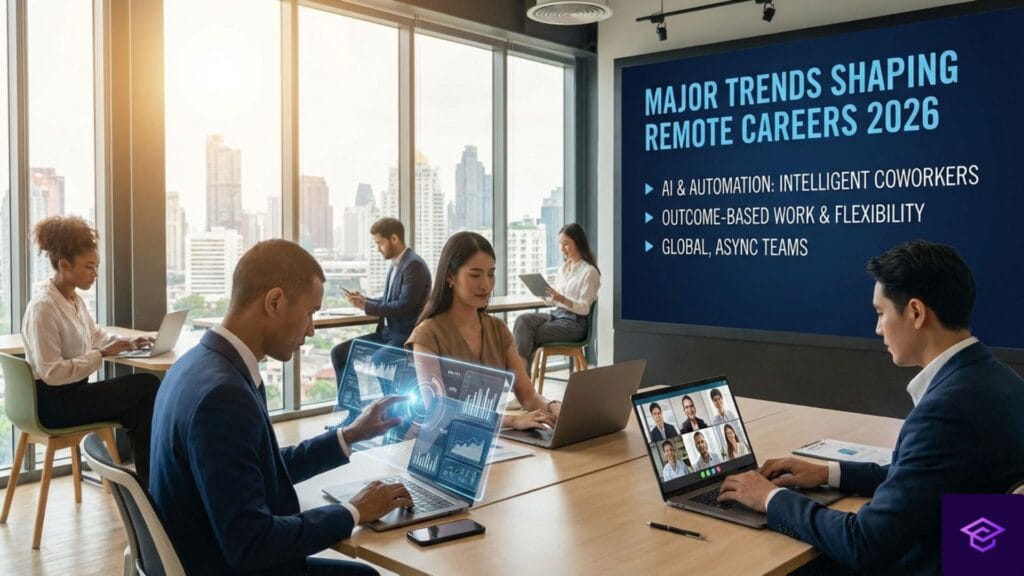
The Rise of Outcome-Based Work and True Flexibility
Micromanagement and perpetual status meetings are out. These progressive companies care about results, not how many hours your Slack status indicates you’re active. It’s particularly beneficial for parents, caretakers and those with different energy levels. It allows you to organize your day around deep work, improving quality and minimizing stress. It does, of course, take self-motivation and solid time management — it’s like running your own schedule with no risk. Once they break free of the old time-for-money paradigm, many say they’re much more fulfilled.
Building Your Foundation: Essential Skills for the Best Remote Careers
Creating the Right Skills Equals Success in Remote Roles. Most are actually learnable through reasonably priced online courses or bootcamps, instead of costly degrees. The most fulfilling remote careers are those that encourage lifelong learners who combine technical skill with excellent communication and flexibility.
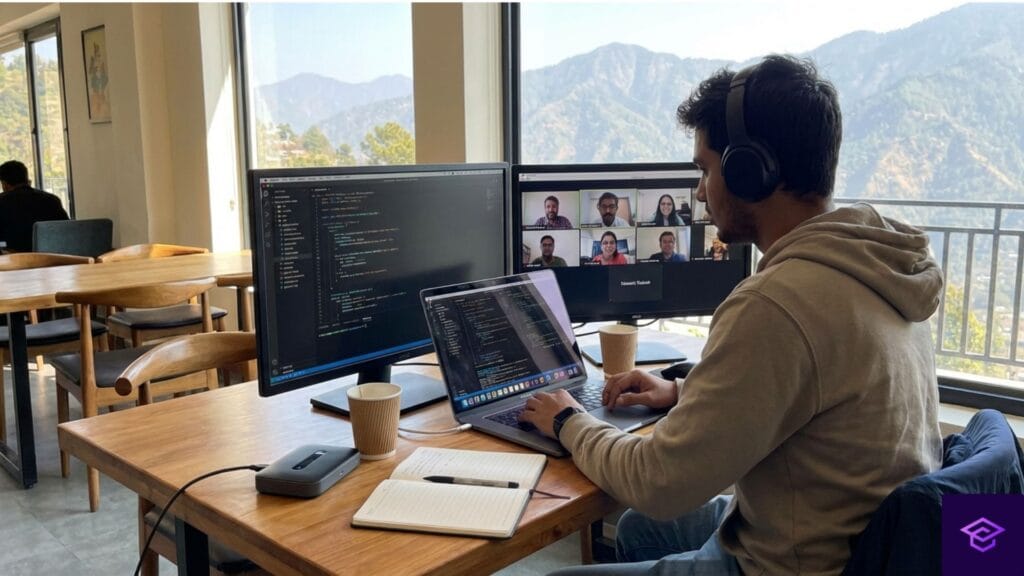
Employers specifically value technical skills such as programming (Python, JavaScript), data analysis, AI tools and cloud platforms. Soft skills count just as much: clear writing and speaking, emotional intelligence, time management and proactivity in problem-solving. Remote-specific skills — like async communication and running effective virtual meetings — help you stand out. Think of these as a series of tools to build a multimodal toolkit: the sharper it gets, the more opportunities emerge.
Must-Have Tools for Thriving Remotely
You don’t need a corporate office, but the right tools change everything. Use Slack or Teams for communications, Zoom for meetings and Notion, Asana, or Trello for projects. Security requires a good internet connection and a VPN. And add ergonomic essentials like an excellent chair, adequate lighting and noise-canceling headphones. Many remote pros also reserved calendar time for deep work. A smart setup can enhance productivity, health and job satisfaction.
The Ultimate Guide to the Best Remote Careers for 2026
Now we come to the fun part—let’s look at specific careers that measure up in demand, pay, flexibility, and growth potential for the best remote careers 2026 workers as evidenced by career rankings. Each has its own unique benefits, and I’m going to break down what the job entails, typical salaries, key skills and realistic ways in so that you can see which of these roles might be a perfect fit for your personality and goals.
Software Engineering and Development: Building the Digital World from Anywhere
If you love cracking complex puzzles and turning ideas into action using code, software engineering is still one of the best remote careers going. You’ll architect, build, test and maintain apps, websites or backend systems that drive everything from mobile applications to enterprise software. Companies are always in need of these skills, and the work translates beautifully to remote because it’s largely solitary or collaborative through shared code repositories.
Salaries, Required Skills, Entry Points, and Growth Opportunities
Depending on your specialization, average salaries range from $97k — $138k with senior or specialized engineers easily commanding $200k+. Core skills include proficiency in languages such as JavaScript, Python, or Java, and familiarity with frameworks, version control (Git) and cloud deployment. You don’t always need a four-year degree — so many successful engineers emerge from intensive bootcamps, online certifications, or self-taught paths with powerful portfolios on GitHub. Entry-level positions usually involve junior roles or open-source work. There is great growth; you can transition to architecture, leadership, or go vertical into specialities like mobile or blockchain development. It’s like being a digital architect whose buildings can be constructed from anywhere on the globe.
AI and Machine Learning Roles: The Hottest and Most Rewarding Ticket in Tech
AI specialists train models, write ethical algorithms, embed intelligent features in products, and help ensure that systems behave properly. It makes it feel exactly like a cutting-edge and beautiful field, which is also intellectually stimulating. I feel like a modern-day Edison, creating how machines learn and help humans. Demand is skyrocketing because almost every industry wants to use AI without getting left behind.

Starting salaries often exceed $130,000 and can scale rapidly with experience — for top talent, they may reach $300,000-plus. You’ll also need strong programming skills, a solid understanding of statistics and experience with frameworks such as TensorFlow or PyTorch. A lot of people get in through specific courses or by creating their own personal AI projects. The role marries creativity and technical rigor, with the benefits of both high pay and a precise sense of working on transformative technology.
Data Science and Analytics: Turning Raw Numbers into Actionable Business Insights Remotely
Data specialists gather, convert and interpret data to guide businesses toward better choices. From forecasting customer behavior to streamlining operations, your insights inform genuine strategy. The remote aspect is done well, as data itself is in the cloud, and visualization tools make it easy to collaborate.
A typical salary ranges from about $70,000 for analysts to around $120,000–$160,000+ for more seasoned data scientists. All your key tools, Python, R, SQL to Tableau or Power BI. A strong analytical mindset and ability to tell a story (wrapping numbers in an interesting wrapper) are very important. It’s detective work propelled by spreadsheets and algorithms — immensely gratifying for the curious-minded.
Cybersecurity: Protecting the Digital Frontier from the Comfort of Your Home
With more businesses operating online and remotely, keeping sensitive data safe from threats is mission-critical. They monitor systems, identify vulnerabilities, respond to incidents and implement robust defenses. It’s like becoming a sort of digital guardian — difficult, consequential and better paid by the day.
Salaries can often top $100,000, and some specialists earn even more. Most importantly, they are trained on networks, encryption, and threat detection tools with certifications like CompTIA Security+ or CISSP. The space is ever-changing when it comes to threats, and lends itself to detail-oriented problem solvers who are looking for meaningful impact.
Digital Marketing, SEO, and Social Media Management: Creative Campaigns That Reach Global Audiences
If you enjoy creativity and ingenuity as well as trends, impact, and data-based results, digital marketing offers niches in campaign creation, search visibility optimization to audience engagement across social platforms. The work is dynamic and fast-paced, well-suited to remote execution since performance can be easily tracked through analytics dashboards.

Social media managers have average salaries of around $60,000, while experienced digital marketing leads earn $90,000–$130,000. Skills in SEO, content strategy, paid advertising and tools like Google Analytics or Meta Ads Manager will be of use. It feels like hosting strategic soirees in the digital realm and seeing people show up on their own or because you smartly targeted them.
Content Creation and Copywriting: Powerful Storytelling for Brands and Global Audiences
Blog posts, emails, videos, social posts and marketing materials are written by content creators that bring brands to people. The remote work model lends itself wonderfully to this, as deep thinking and creativity are often products of quiet, tailored settings.
Starting pay is about $58,000, but it climbs quickly if you have niche expertise or freelance clients. Strong writing skills and knowledge of SEO and audience are key automation tools. You are a contemporary storyteller whose text can move others to make purchasing decisions or motivate communities abroad.
UX/UI Design: Crafting Intuitive User Experiences Without Ever Stepping into an Office
UX/UI designers examine what a user requires, build wireframes, and construct interfaces for the heart: to make interactions intuitive and pleasurable. This is how collaboration takes place with tools like Figma, so location becomes a non-issue.
Compensation is strong, often $90,000–$145,000. It needs a mix of creativity, psychology and technical skills (like prototyping, user testing). It’s artistic but user-centered work — it’s like sculpture for digital experiences millions could use on a daily basis.
Project and Product Management: Leading Distributed Teams Across Time Zones Successfully
Project and product managers drive initiatives, align stakeholders, and ensure transformation deliverables meet business objectives. In remote environments, this translates to communication, prioritization and tools that enable visibility.
Average salaries are in the $83k–$100k+ range, senior positions even higher. This is where leadership, Agile methodologies and analytical skills can shine. You are the conductor of a virtual symphony and you compose the sound by silencing some variables while others stick to the tale.
Online Teaching, Tutoring, and E-Learning Development: Sharing Knowledge with Flexible Schedules
Educators and instructional designers may develop or teach courses, tutor students, or create learning platforms. Languages, tech skills, and upskilling are in demand.
The flexible hours and the meaningful impact are attractive. Pay is highly variable, but it recognizes expertise and platform reputation. It’s so rewarding to be able to support the growth of learners anywhere.

Wellness Coaching and Remote Health Services: Supporting Mental and Physical Well-Being Virtually
Wellness coaches and telehealth providers guide clients to health via virtual appointments. Remote support has seen significant growth in mental health.
It is rewarding work with a flexible schedule. Compensation can be both satisfying, personally and financially; it varies according to credentials and client base.
Administrative Support and Virtual Assistance: The Perfect Entry-Level Gateway to Remote Work
A virtual assistant helps busy professionals or teams keep up with scheduling, email, research and organization. This makes it accessible and no great experience is always needed.
Pay generally sits around $40,000–$60,000 and is a great entry level towards much higher positions, while also beginning to establish good habits for remote work and networks.
Overcoming Common Challenges in Remote Careers and How to Win
Life on the road can be freeing, but it’s already presented obstacles that catch some newcomers unaware. The key here is to acknowledge them early on and create strategies to manage them before they happen.
Fighting Loneliness, Distractions, Burnout, and Isolation Effectively
Loneliness can set in when you miss informal office exchanges. Fight it by joining online groups, setting up regular video chats with coworkers or friends, or going to virtual events. Distractions at home are not imagined — establish clear boundaries by allocating dedicated workspaces and focused work blocks (consider Pomodoro techniques). When work and private time intermingle is when burnout creeps in; create hard rules for ending the day and prioritize self-care activities such as exercise, hobbies. A lot of veterans of remote life say the key to long-term success and enjoyment is treating your home office like a professional space while also protecting personal time.

Ready to take action?
Stop Googling “how to get a remote job.”
Here’s the real problem: most people apply to remote jobs the same way they apply to office jobs. Same generic resume. Same vague cover letter. Same zero personalization.
And they wonder why they’re not getting callbacks.
Will the candidates land remote roles in 2026? They know exactly what they bring to the table — their skills, their work style, their strengths. They don’t guess. They match.
That’s literally what CareerMIND was built for.
For $19/month, CareerMIND analyzes your career DNA across 6 dimensions — Background, Interests, Personality, Skills, Values, and Preferences — and shows you exactly which remote roles you’re built for. Not a generic list. YOUR list.
Less than your Netflix subscription. More life-changing than your last three job applications combined.
-> Try CareerMIND at CareerMIND.app
The Future Outlook for the Best Remote Careers Beyond 2026
In the longer term, AI will create hybrid human-technology jobs that reward us for judgment and creativity. New opportunities will emerge from sustainability, global equity, and advanced collaboration tools. The best remote careers will continue to lead with flexibility and purposeful work. Those who will learn, adapt, and build with the changes that are the exciting future of work.
Conclusion
We’ve come a long way, from how on earth remote work took off to what the best remote careers are that can actually change your life (if you start working one in 2026) and so much more. “Whether you love coding imaginative software, analyzing data to influence strategy, securing networks, crafting content or upwardly supporting others’ wellness — they all represent good paying remote pathways.” The complexity of high demand, good compensation and real lifestyle freedom all but guarantees that this is one of the most exciting times in modern career history. Stop waiting for permission or the “perfect” moment and start building skills, updating your profile and applying today. Your future self, working meaningful work in a place you love, will thank you. The remote revolution is here, and there’s room for you.
FAQs
1. What are truly the highest-paying best remote careers in 2026?
AI/machine learning specialists, senior software engineers, engineering managers and quite a few sales or product roles are high up on those charts too, many of which hit $130,000 to $300,000+ depending on experience and company.
2. Do I need a college degree to succeed in the best remote careers?
Not necessarily. Many roles, particularly in tech, content, design and marketing prioritise skills (that have been demonstrated), portfolios, certifications and real results over fancy degrees.
3. How can beginners or career changers break into remote work? Concentrating on easy-access options like virtual assistance or content creation, taking specific steps in online learning as well as portfolio-building and trying remotely to apply aggressively with job boards focused on remote work while networking.
4. What are the biggest challenges people face in remote careers and how do they overcome them?
Common problems are isolation, distractions and blurred boundaries. Successful remote workers develop routines, dedicated spaces, regular social connections and rigid habits of separating work from life.
5. Which tools and platforms should I learn first to prepare for the best remote careers?
It’s everything from communication (Slack, Zoom) to productivity (Notion or Asana) to role-specific tools (Figma for design, Python/SQL for data/tech). Many of them are free or offer generous trials to test.